Small groups. Licensed local guides. A full day along Italy's most cinematic coastline — from the maritime republic of Amalfi to Positano's vertical houses and Ravello's hilltop gardens. Departures from Naples and Rome.
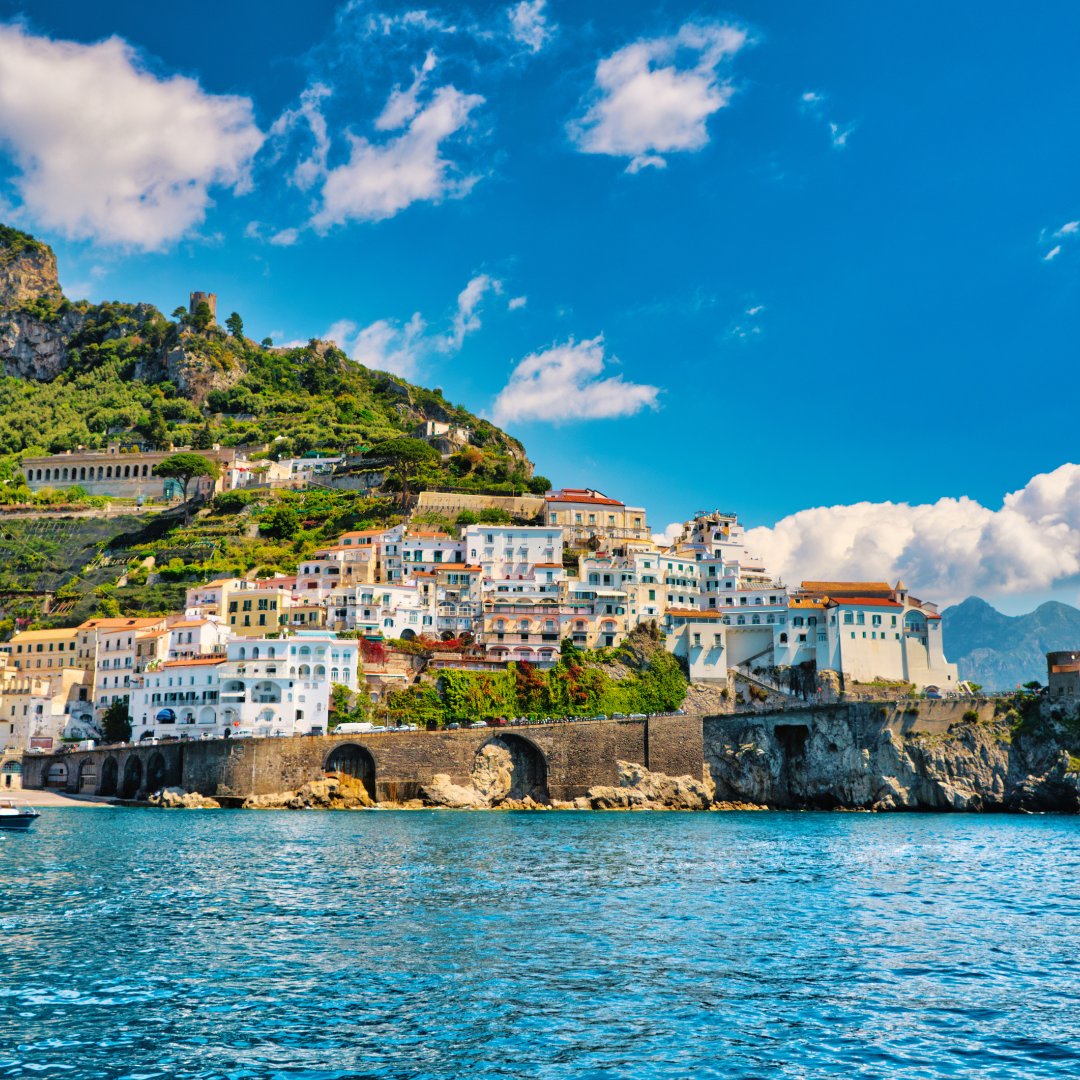
Fifty kilometers of switchback road, hewn into limestone, holds together thirteen villages that have looked the same way for a thousand years. We have been driving travelers along it since 2013 — a Naples-based outfit, family-run, with a Rome office that opened a few years later when our guests started asking us to come and fetch them from the capital.
What follows is not a brochure. It is a working notebook: where to stop, when to stop there, and which corner of the bay catches the light. We organize Private and Shared Tours every day.
Run by Solo Services s.r.l., licensed tour operator N° 271We aren't a desk in another city forwarding your booking to a sub-contractor. We are the guides, the drivers, the people answering the phone — and we have been doing this from the same two offices for over a decade.
Italian-licensed Campanian guides — every tour, no exceptions. They live on the coast, they argue happily about which lemon variety belongs in the granita.
Twenty people maximum, usually fewer. You can hear the guide, you fit in a single restaurant table for lunch, and you aren't waiting for thirty other people to find their shoes.
Tailor made tours along the Amalfi Coast, colorful towns, local delicacies, mythic landscapes, and breathtaking walks to Positano, Amalfi and Ravello departing from Naples, Sorrento or Salerno.
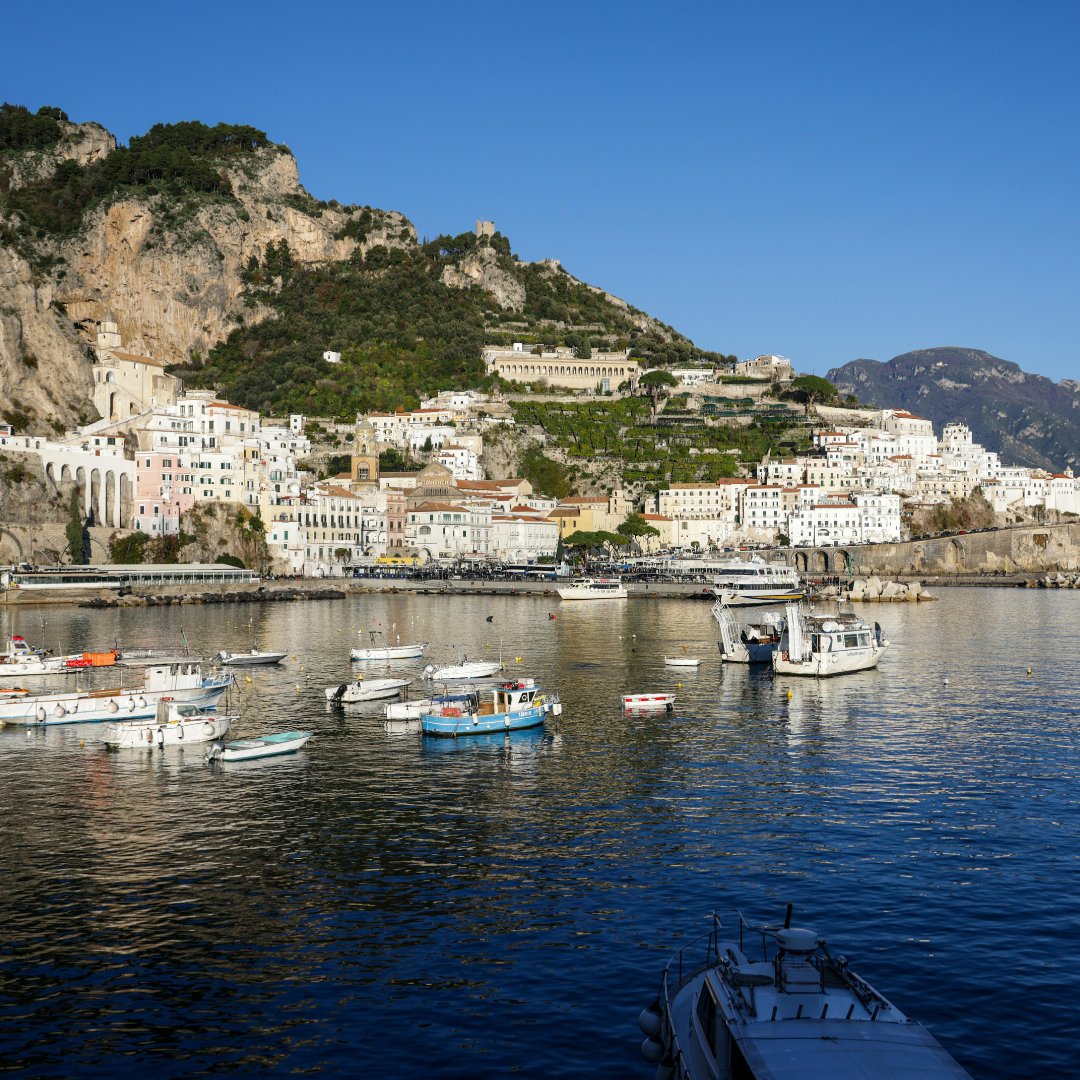
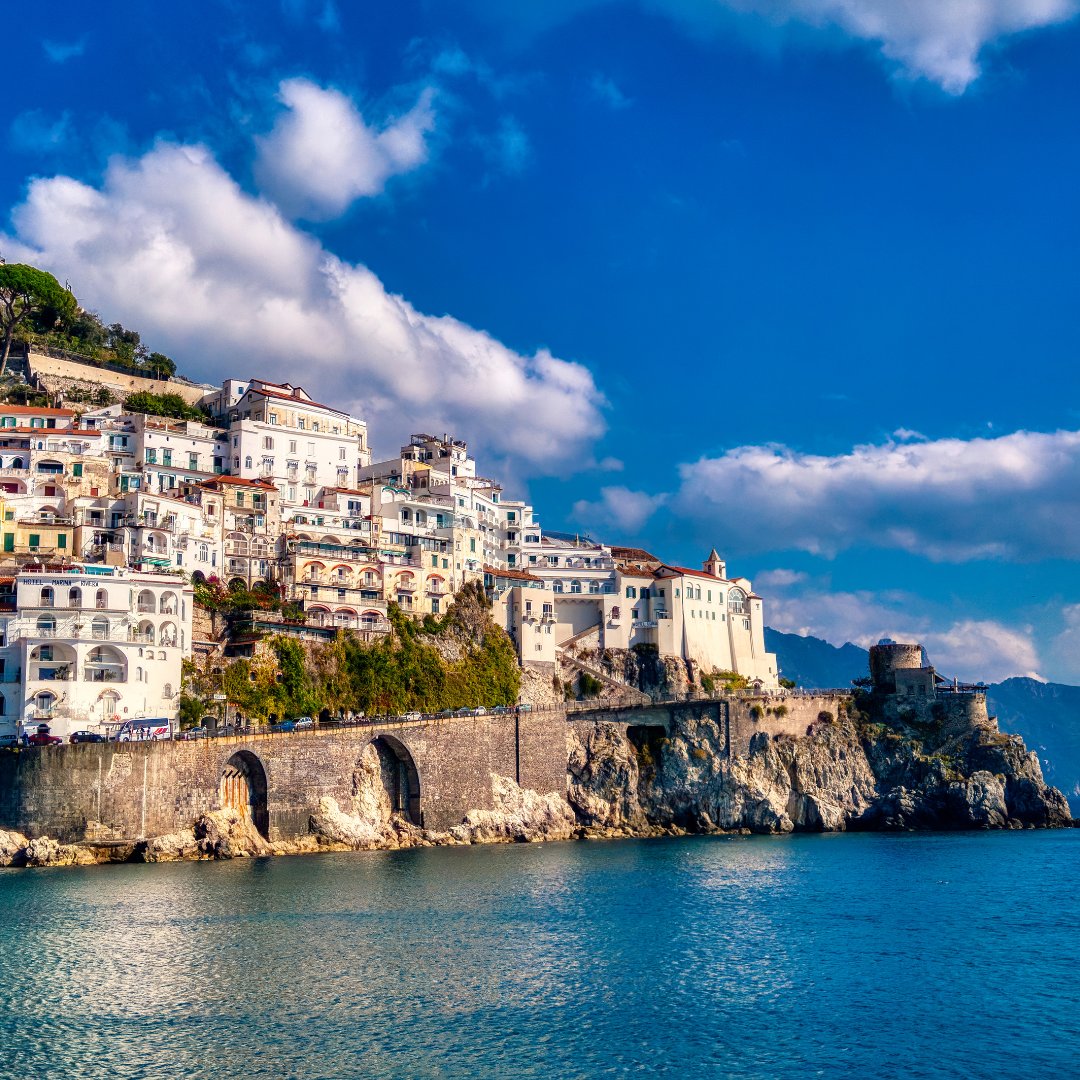
Between the 9th and 11th centuries Amalfi was a maritime republic — one of four — trading with Constantinople, Cairo and the ports of North Africa while the rest of Europe was still mostly farming. The compass was perfected here, the earliest written maritime code in the Western Mediterranean was drafted here, and the Cathedral of Sant'Andrea has held the relics of the apostle Andrew since 1208, brought back from the Fourth Crusade.
The town is smaller than its reputation. You can walk it in twenty minutes. We take three hours, which is closer to right.
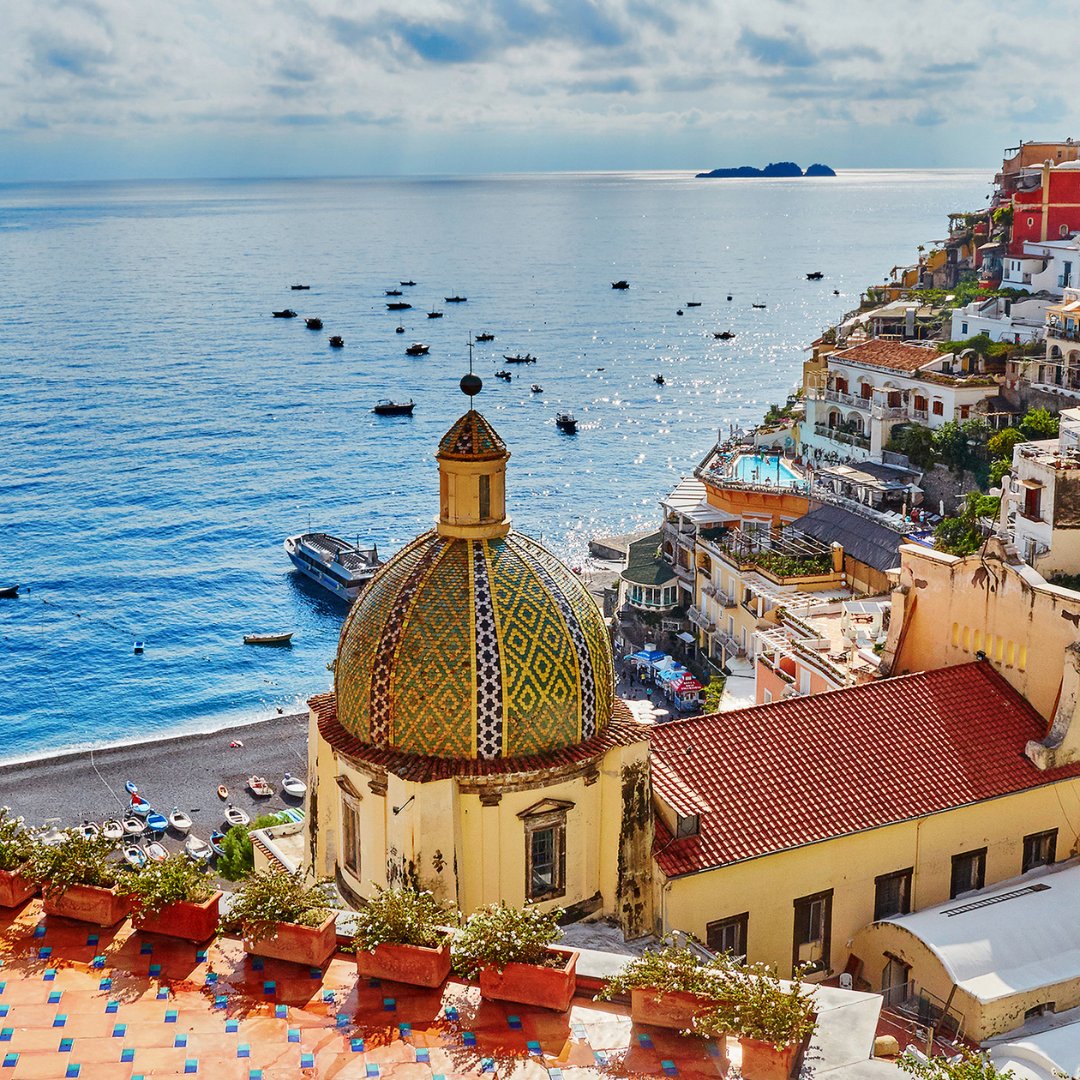
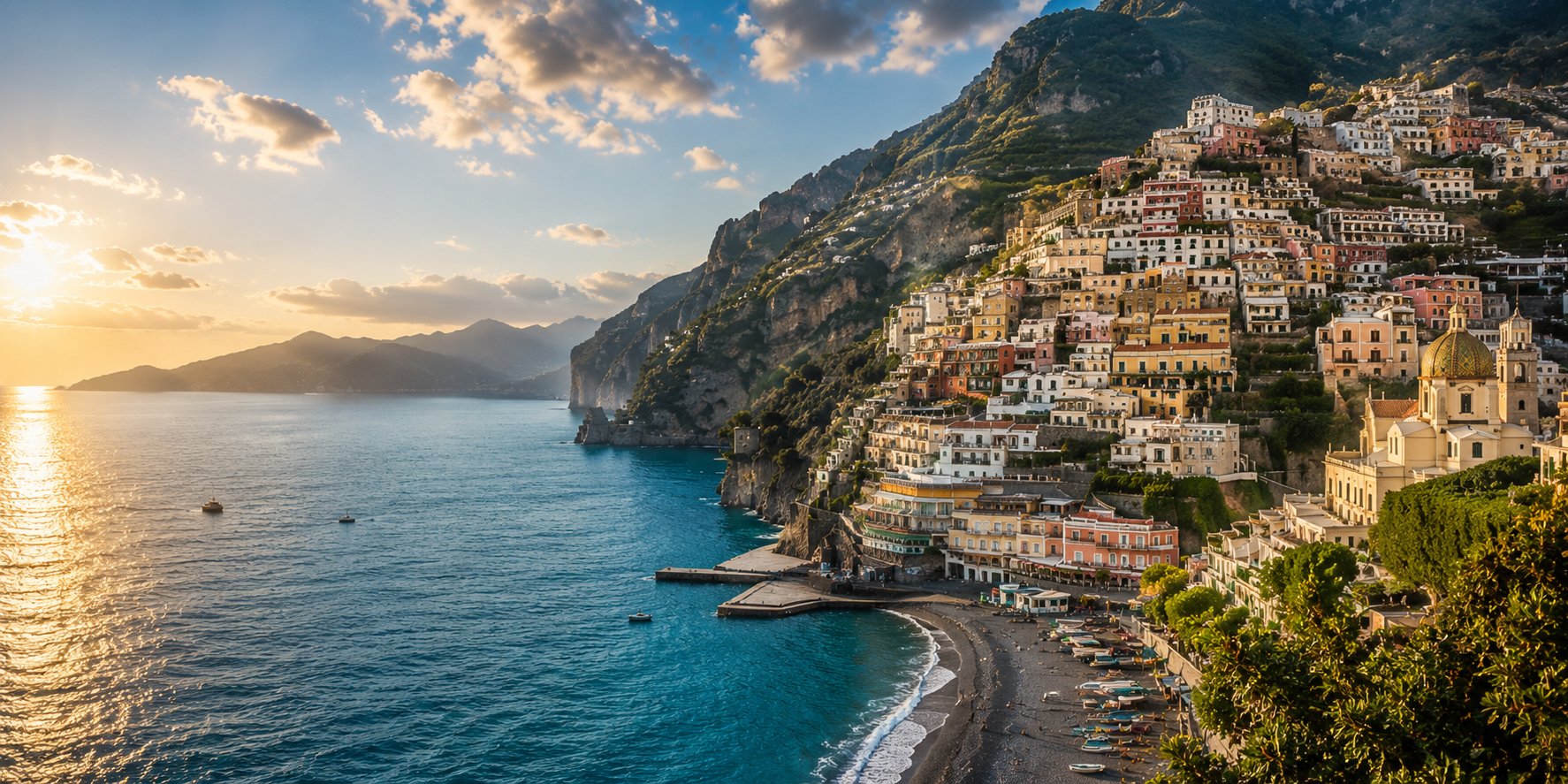
For most of its history Positano was a fishing village too poor to expand sideways, so it expanded upwards — pastel houses stacked on the cliff like books on a shelf. John Steinbeck spent a summer here in 1953 and wrote, in Harper's Bazaar, the essay that has been quoted on every postcard since. Tourists have been arriving in numbers ever since; the village has stayed roughly the same shape, which is to say almost vertical.
The walk down from the upper village to the Spiaggia Grande takes about twenty minutes, all of it stairs. We time it for late afternoon, after the day-trippers have left.
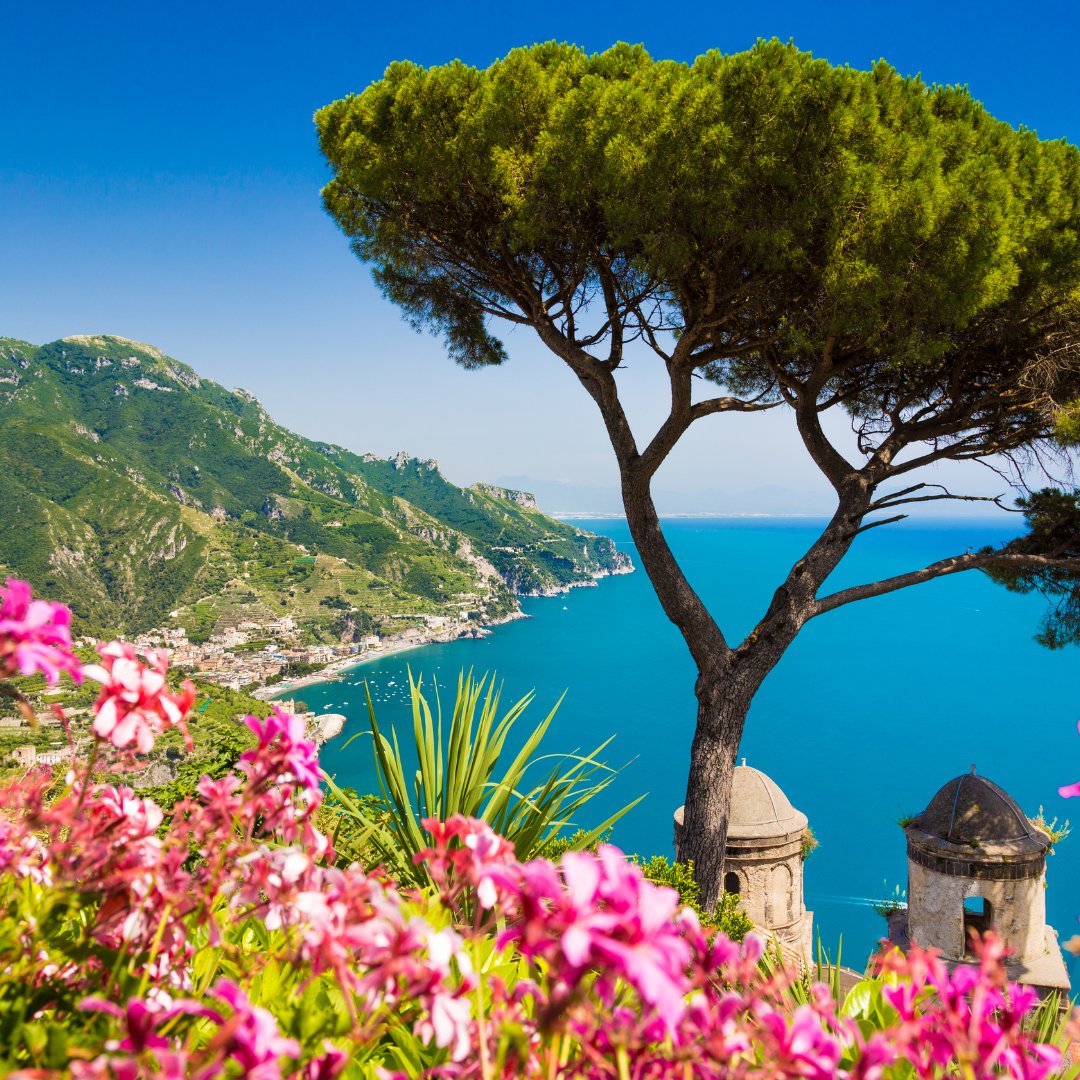
Three hundred and sixty-five metres above the sea, Ravello is the coast's quiet one. Richard Wagner climbed up here in May 1880, walked into the gardens of Villa Rufolo, and wrote in the visitors' book that he had finally found Klingsor's enchanted garden for Parsifal. The Ravello Festival has been honouring that line, with chamber concerts on a terrace built out into thin air, every summer since 1953.
Villa Cimbrone's Belvedere — the so-called Terrace of Infinity — is twenty minutes' walk away. Gore Vidal called the view the most beautiful in the world. He may have been right.
Positano bites deep. It is a dream place that isn't quite real when you are there and becomes beckoningly real after you have gone.— John Steinbeck, Harper's Bazaar, May 1953
Not the postcards everyone has seen. The lemon grove at Minori in the off-season, the ceramic shop in Vietri, the moment a cliff swallow leaves the eaves of the cathedral.
The coastal road has its quirks, the parking is mostly nonexistent, and ferries change schedule with the weather. Below is what we tell our guests in the confirmation email.
Pick up from your hotel in Naples or Rome. A van, a guide, and a coastline that has been astonishing visitors since Pliny the Younger sailed past it in the first century.
Naples office +39 081 593 42 20 · Rome office +39 06 5655 6987 · info@toursshared.com
The Amalfi Coast is not a backdrop. It is a working stretch of Mediterranean shoreline that has been continuously inhabited since at least Roman times — the emperor Tiberius had villas on Capri, just across the Gulf, and Pliny the Younger described the coastline in the letters he sent to Tacitus describing the eruption of Vesuvius in October of 79 AD.
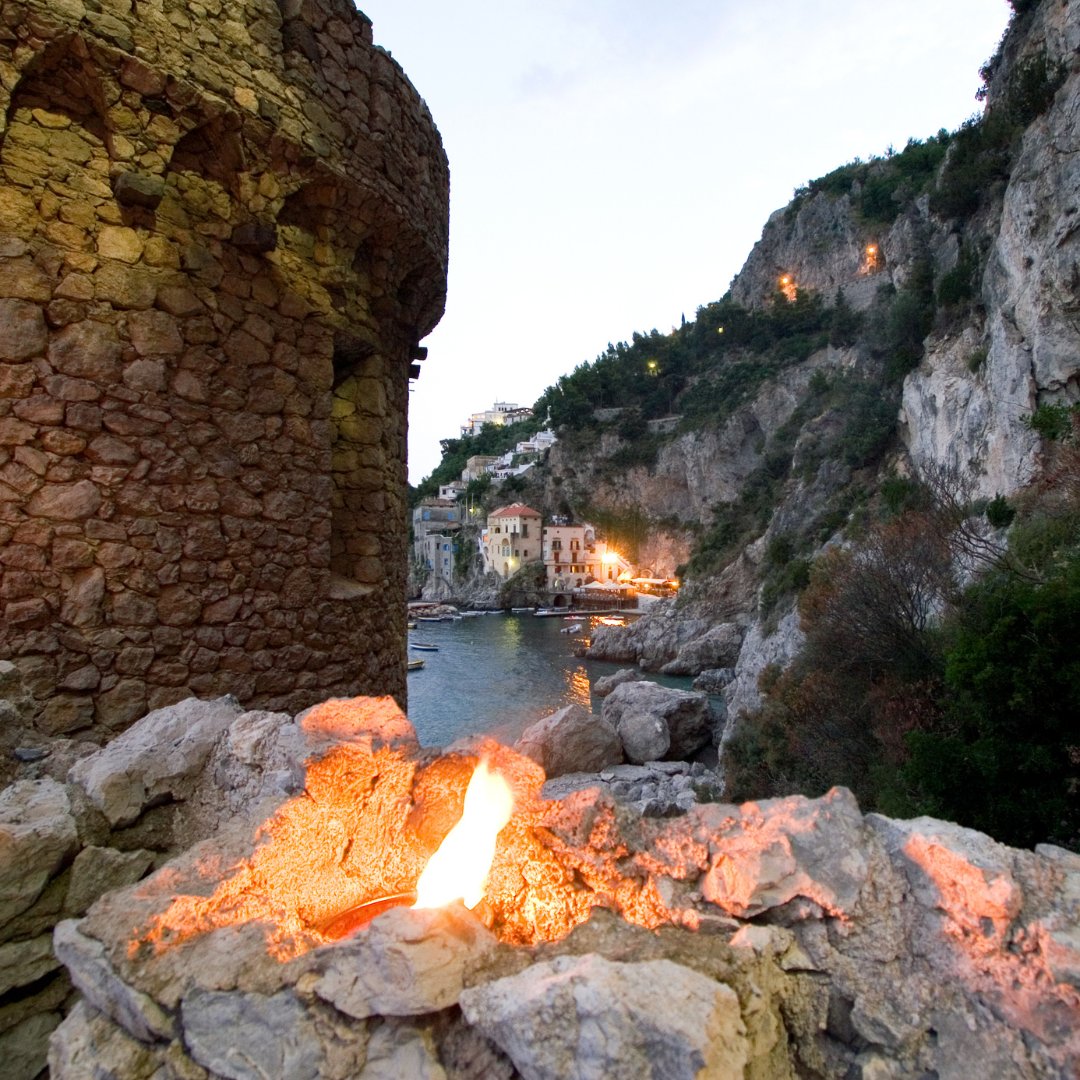
What you see today — the terraces, the lemon pergolas, the watchtowers — is the cumulative work of every generation that lived here and decided to stay. The towers were built against Saracen raids in the 16th century. The terraces hold up entire mountains. The lemon trees feed an industry that ships fruit and limoncello as far as Tokyo.
We try to show you all of that in a single day. We mostly succeed.